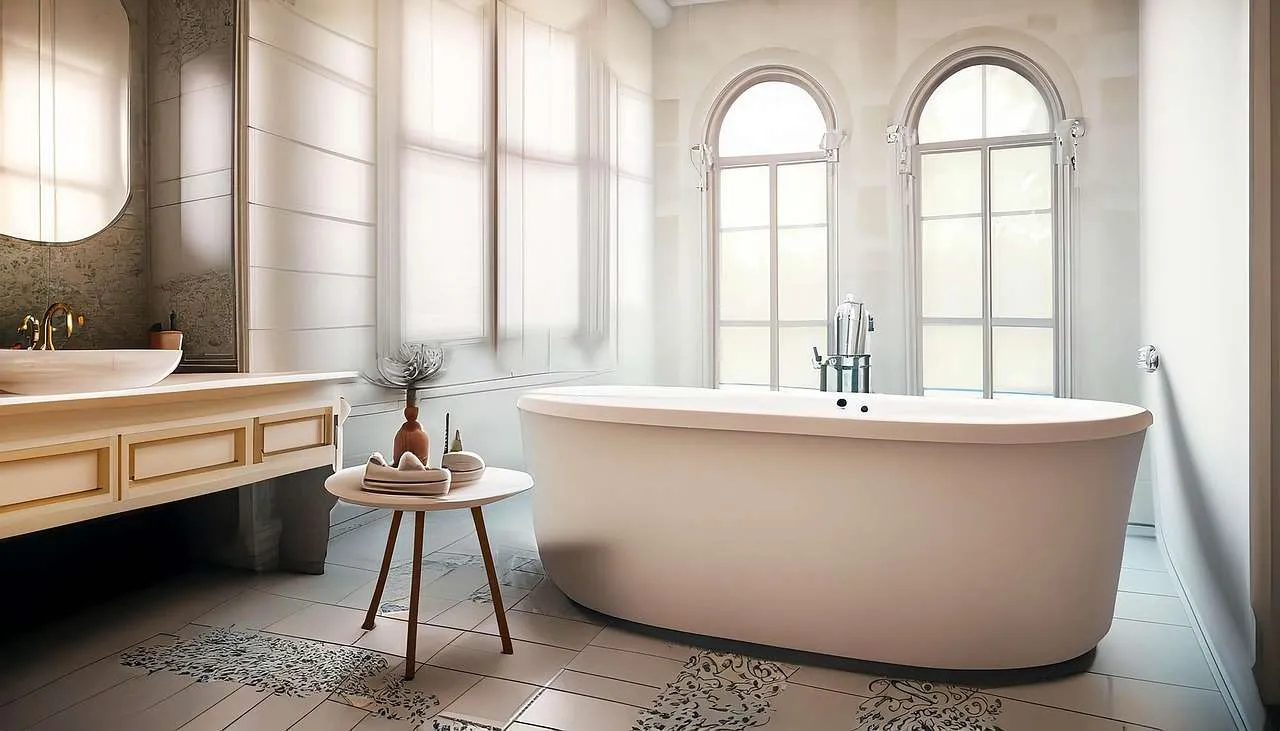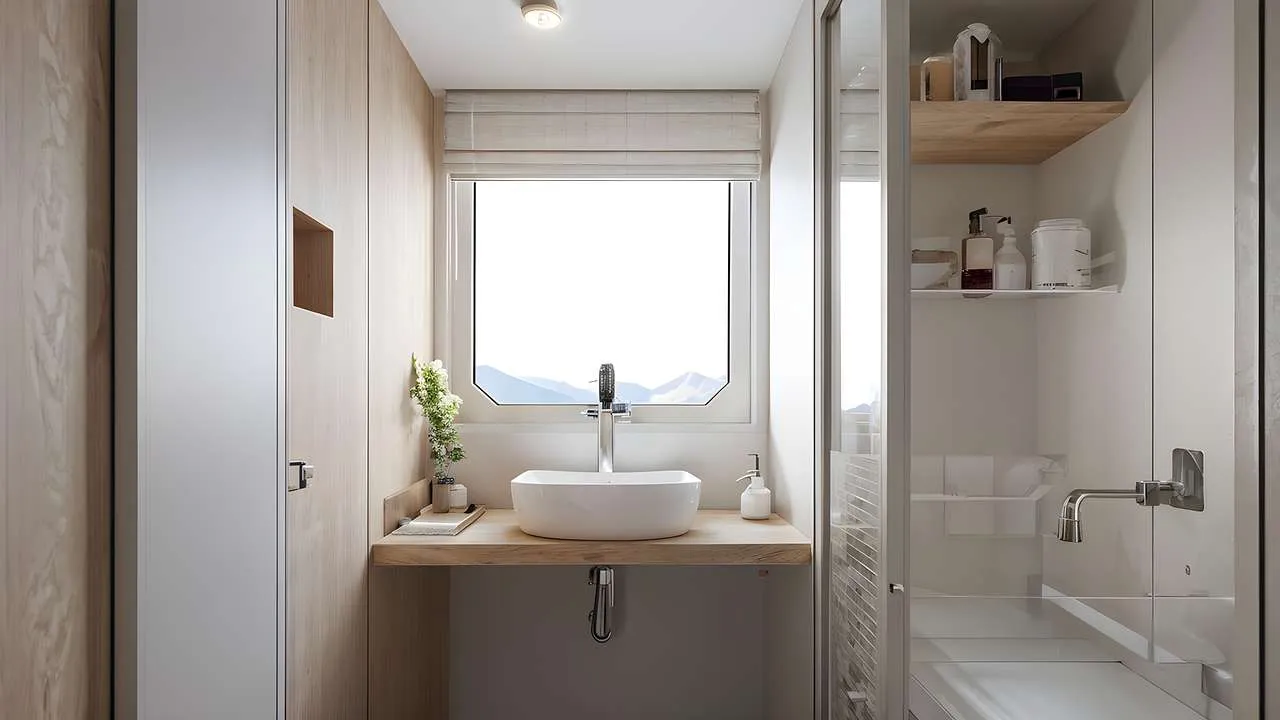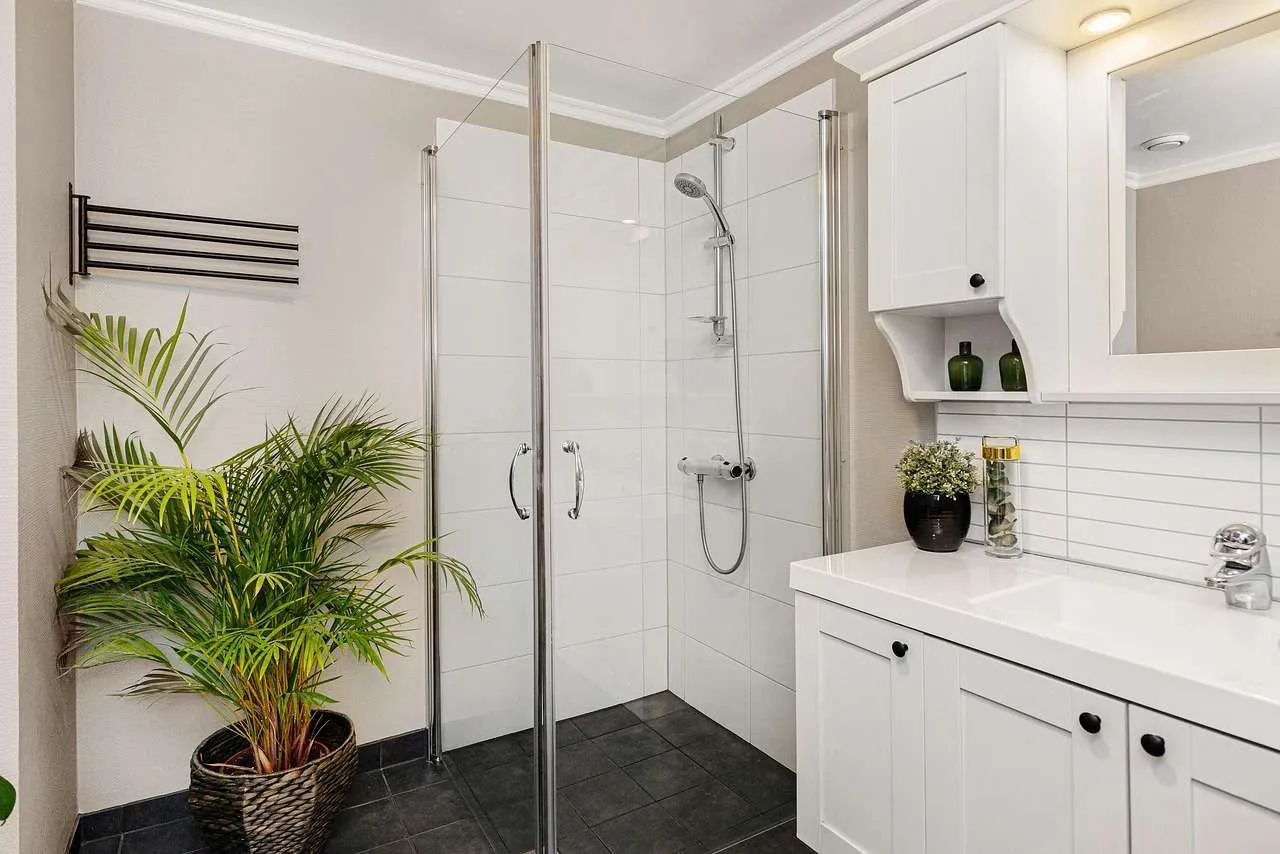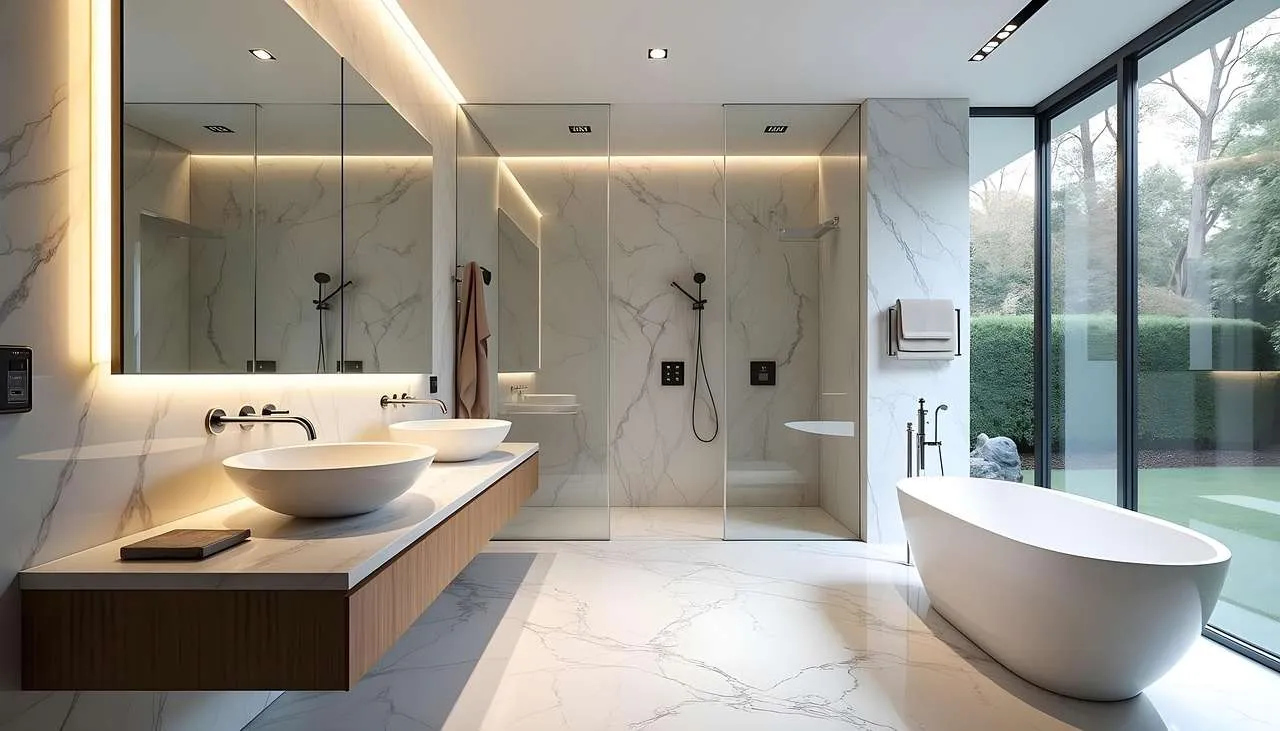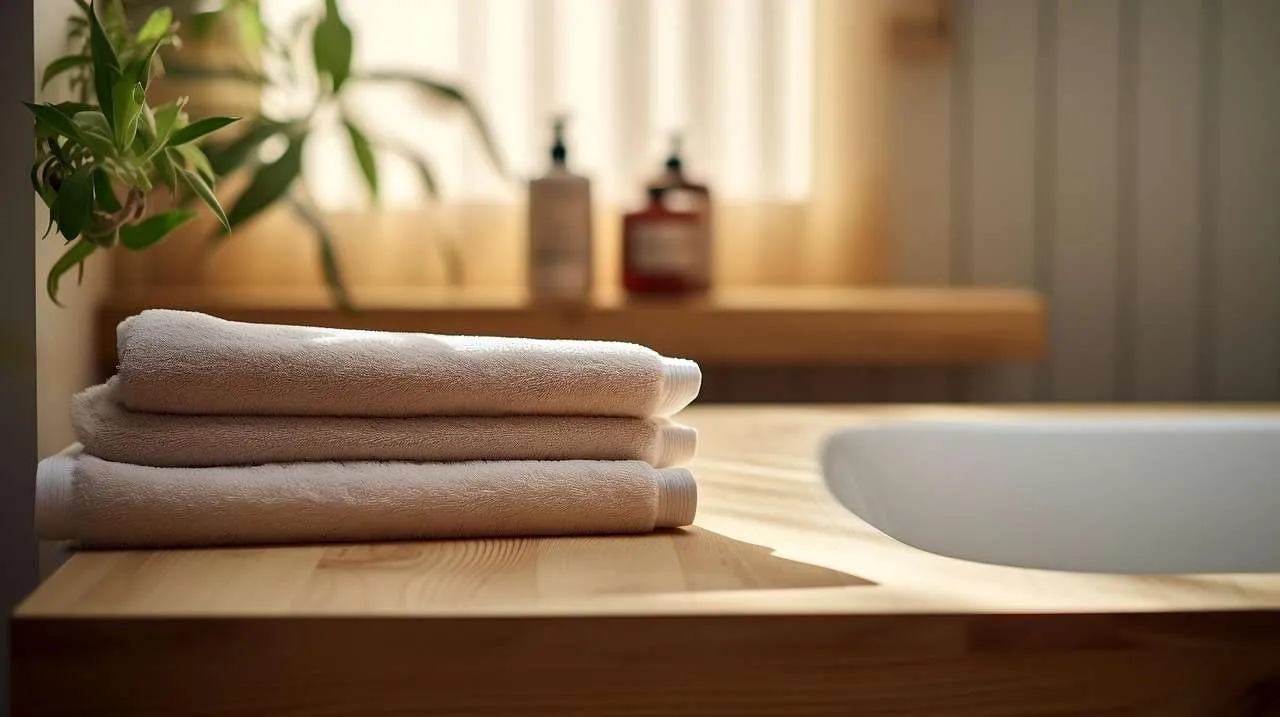
Designing a small bathroom doesn't mean sacrificing style. With thoughtful layout, durable fixtures, and smart storage, you can achieve a functional, spa-like space. This guide shares proven small bathroom ideas that maximize square footage, enhance lighting, and improve everyday usability, while prioritizing durability and safety for lasting value.
Smart layouts for compact spaces
In small baths, layout matters more than wall color. Use the longest wall for the shower or tub, keep the toilet near the plumbing wall, and consider a pocket door to avoid swing clearance. Float fixtures to create visual space and simplify cleaning. A well-planned layout improves flow and makes the room feel larger.
Floating vanity and wall-hung toilet
Floating (wall-hung) vanities and toilets reduce visual mass, reveal more floor area, and ease cleaning. When choosing height, match standard countertop height for comfort and ensure adequate clearance for doors or drawers. For a cohesive look, choose a vanity with integrated storage to minimize clutter.
Mirrors and lighting
Large mirrors reflect light and double visual space. Use a mirror the width of the vanity or a tall mirror to visually elevate the ceiling. Combine ambient, task, and accent lighting with LED sources to avoid dark corners in the shower or under-sink area.
Smart storage solutions
Storage is the secret to clutter-free small baths. Options include recessed niches in the shower, tall slim medicine cabinets, over-the-toilet organizers, and pull-out organizers inside vanity drawers. Use corner shelving and magnetic strips for metal toiletries. Choose frosted or clear glass to keep the space feeling open.
Color, tile, and visual tricks
Light, neutral colors with a few subtle accents expand the space. Large-format tiles reduce grout lines and create a seamless look; keep grout light or match it to tile. Use a single, cohesive color palette across walls and fixtures to avoid visual breaks. Vertical patterns and full-height tiling near the shower create the illusion of height.
Fixtures and materials
Opt for water-saving fixtures and compact options. A curved shower enclosure or a curved glass door can feel roomier than a boxed corner. Choose durable, moisture-resistant materials like porcelain or ceramic tile, solid-surface countertops, and high-quality vinyl flooring designed for bathrooms. Prioritize slip-resistant floors in walkways and shower floors.
Table: Feature comparisons
| Idea | Pros | Cons | Best For |
|---|---|---|---|
| Floating vanity | More floor space; easier cleaning; modern look | Requires sturdy mounting; possible higher price | Very small baths or high-traffic areas |
| Wall-hung toilet | Open floor area; easier cleaning | Requires concealed tank and professional install | Compact spaces with plumbing access |
| Corner shower | Efficient use of corner; glass keeps light | May feel tight if not sized correctly | Small baths without tub |
| Pocket door | No swing clearance; opens space | Complex framing; higher installation cost | Very tight layouts |
| Recessed niches/medicine cabinet | Hidden storage; clean surfaces | Higher installation effort | Clutter-free vanity areas |
Note: When planning, consult a licensed professional for code compliance and load-bearing considerations in your area to ensure EEAT: safety, stable mounting, and proper waterproofing.
Conclusion, small bathroom ideas succeed when you balance layout, fixtures, storage, lighting, and finishes. Floating elements create space, smart storage reduces clutter, and a cohesive color-and-tinish palette makes the room feel larger while remaining durable and stylish for daily use.