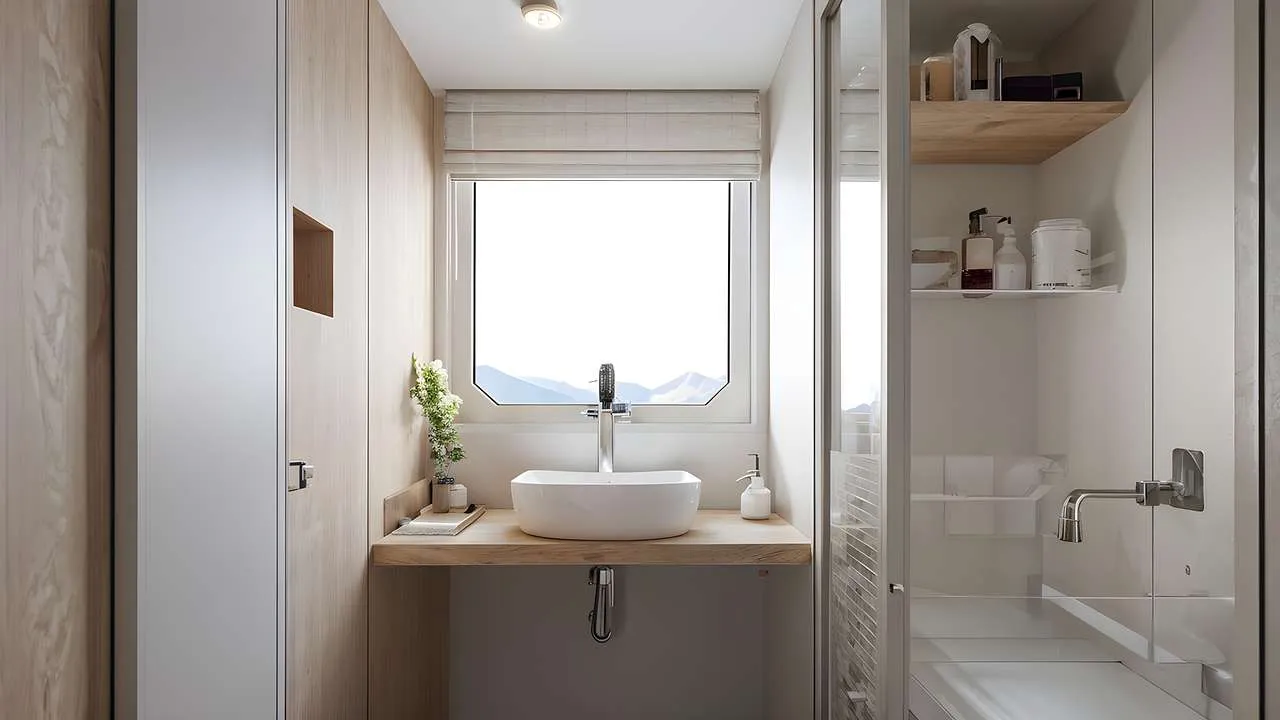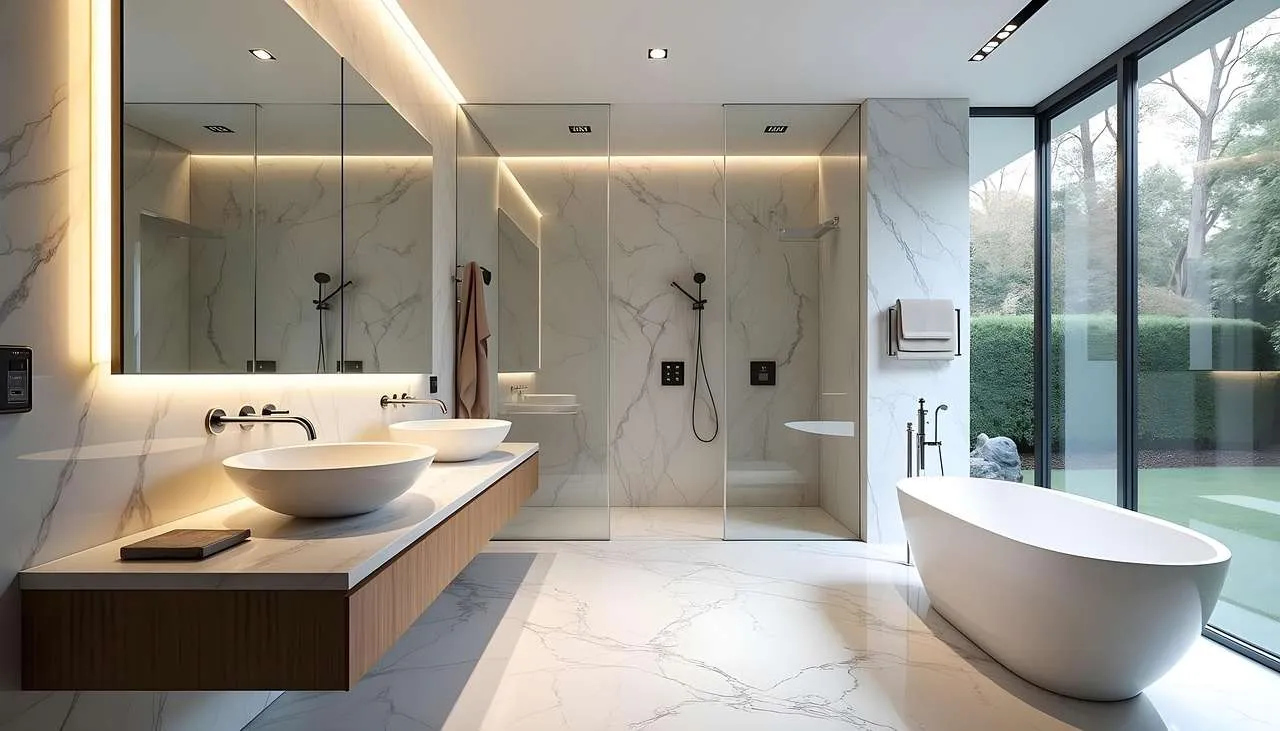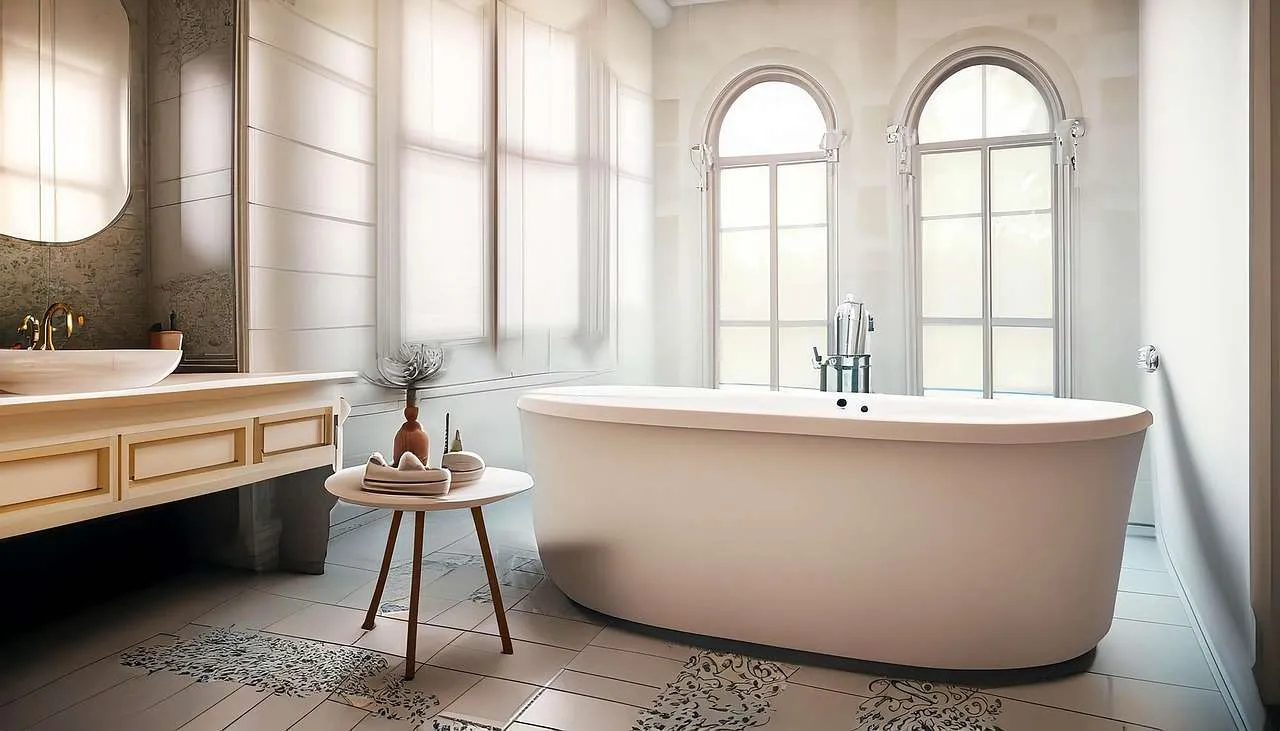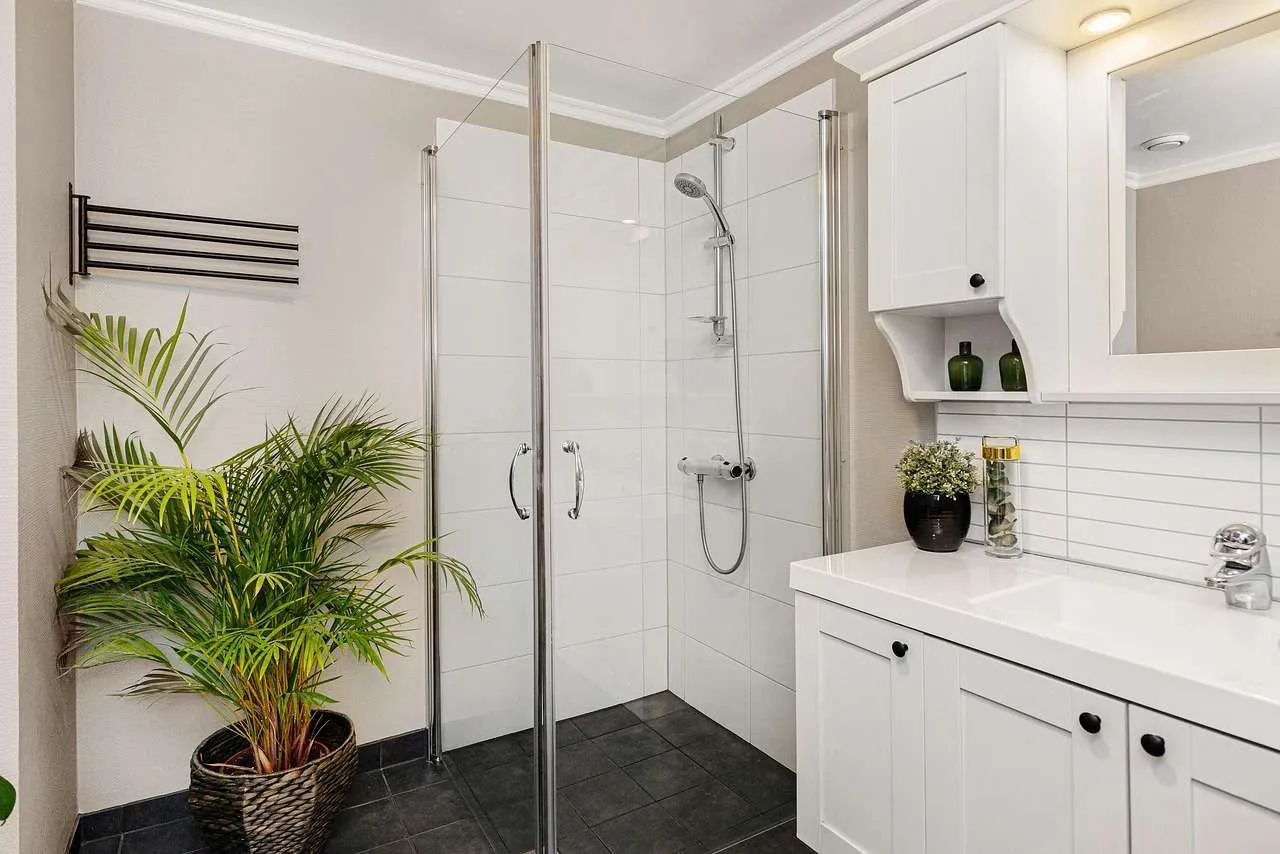
Choosing the right bathroom tile sets the tone for durability, cleanliness, and style. Moisture, heat, and constant use demand materials that resist water while maintaining color and texture over time. A well chosen tile plan also supports safety with slip resistant surfaces and easy maintenance. This guide provides clear, practical guidance on the main bathroom tile materials, design ideas, installation considerations, and upkeep strategies to help you create a space that looks great and lasts for years.
Popular bathroom tile materials
Porcelain tile
Porcelain tiles are dense and highly water resistant. They are fired at high temperatures with a refined clay body, producing minimal absorption and excellent durability. Porcelain is a strong choice for showers and floors where heavy foot traffic occurs. It accepts a wide range of finishes, including matte and textured surfaces that add grip in wet areas. For a seamless look, many homeowners choose large scale porcelain planks that reduce grout lines and give a sense of space.
Ceramic tile
Ceramic tiles are more affordable than porcelain and come in endless colors and patterns. The body is lighter, which makes cutting and installation easier. Ceramic is a good option for walls, backsplashes, and non wet zones. In wet areas you will want a glazed ceramic tile with adequate sealing and appropriate grout type. Pair ceramic wall tiles with porcelain floors for a balanced budget and performance.
Natural stone tile
Natural stone offers luxury through unique veining and tactile texture. Marble travertine and slate can transform a bathroom into a spa like space. Stone is porous and susceptible to staining from acids, so sealing and regular maintenance are essential. If you prefer stone, consider choosing honed finishes and water resistant grout to reduce slip and ease cleaning on floors and shower niches.
Glass tile
Glass tiles reflect light to brighten a bathroom and work well as accents or backsplashes. They are non porous and resist staining, yet some glass tiles can be slippery when wet and may require careful installation to avoid grout lines showing through. Glass tiles pair nicely with complementary neutral fields or as a shimmering border with larger matte tiles.
Design and layout tips
Size and layout
Tile size influences the perception of space. Large format tiles with minimal grout can make a small bathroom feel larger, while smaller tiles create texture and movement. Consider using rectangular planks in a horizontal pattern to widen narrow rooms or a vertical stack to accent a tall shower niche. For showers, a cohesive tile run from floor to ceiling with a non slip finish enhances safety and cohesion.
Color and pattern
A monochrome palette with a single focal accent can feel calm and timeless. If you want visual interest, introduce a feature wall or a mosaic border. When combining tiles, keep grout color close to the tile shade to soften transitions or use a contrasting grout for a defined grid that highlights geometry.
Installation and maintenance
Preparation and substrate
Proper substrate preparation is essential. Inspect for flatness, repair any dips, and ensure the surface is clean and dry. In wet zones like showers, apply a waterproof membrane and ensure proper slope to drain water away. Scheduling professional installation or following manufacturer guidelines helps prevent future cracking or moisture damage.
Grout and sealant
Epoxy grout can improve stain resistance in damp environments, while cementitious grout with sealing works well for many homes. Seal natural stone and consider resealing every one to two years depending on use. Regularly clean grout lines to avoid mold growth and deterioration.
Cost considerations and return on investment
Prices vary by material, size and labor. Porcelain and ceramic tiles are typically more affordable than natural stone and some glass options. Large format tiles may reduce labor time but require precise cutting. When budgeting, allocate funds for waterproofing, grout, and sealant, as these components influence long term performance as much as the tile choice itself.
Comparison of common bathroom tile materials
| Material | Pros | Cons | Best For |
|---|---|---|---|
| Porcelain | Durable, water resistant | Can be hard to cut, higher cost | Floors and showers |
| Ceramic | Budget friendly, lots of patterns | Less durable in high traffic | Walls and backsplashes |
| Natural stone | Luxurious look, unique veining | Porous, sealing required | Accent areas and baths |
| Glass | Reflects light, non porous | Slippery when wet, higher cost | Backsplashes and borders |
Summary: With the right material selection and careful layout planning, bathroom tile can deliver durability, low maintenance, and a timeless or contemporary aesthetic that suits your home. This guide outlines key materials, practical design ideas, installation considerations, and care routines to help you choose durable, beautiful bathroom tile that fits your budget and lifestyle.